 Sales Office :- Plot No. X/852,Chand Mohalla, Street No: 11 Gandhi Nagar Industrial Area
 envirotech76@yahoo.co.in
 9871034100
 GST : 07AOSPS8386M1ZM
  Verified Supplier
 Delhi India
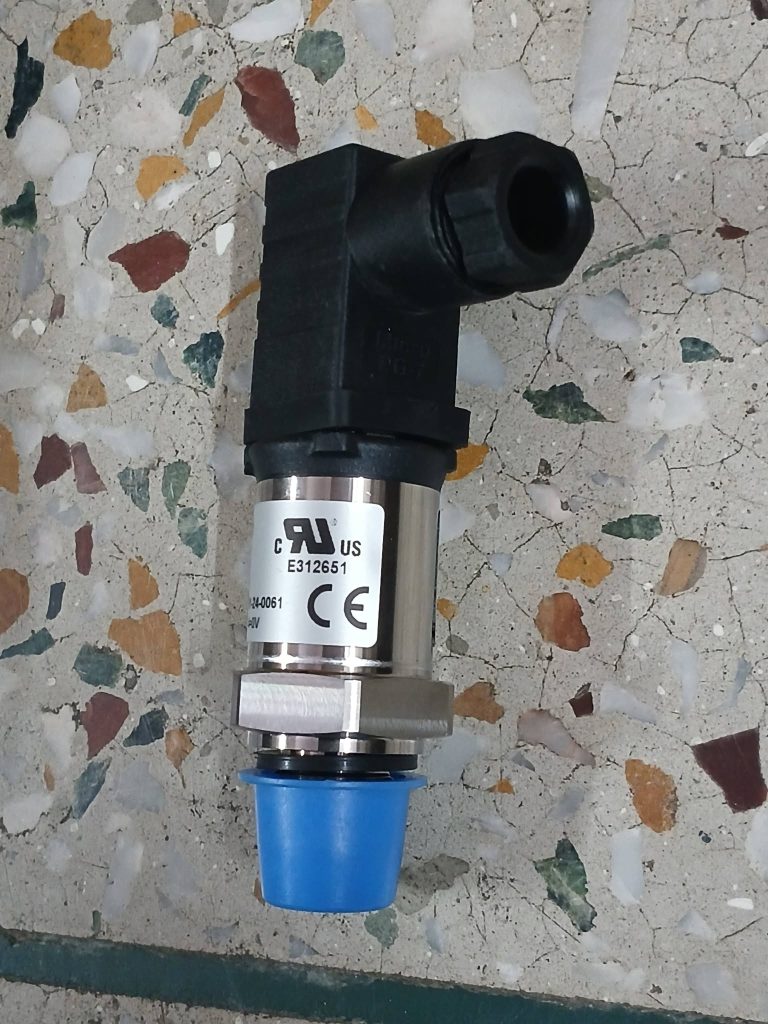
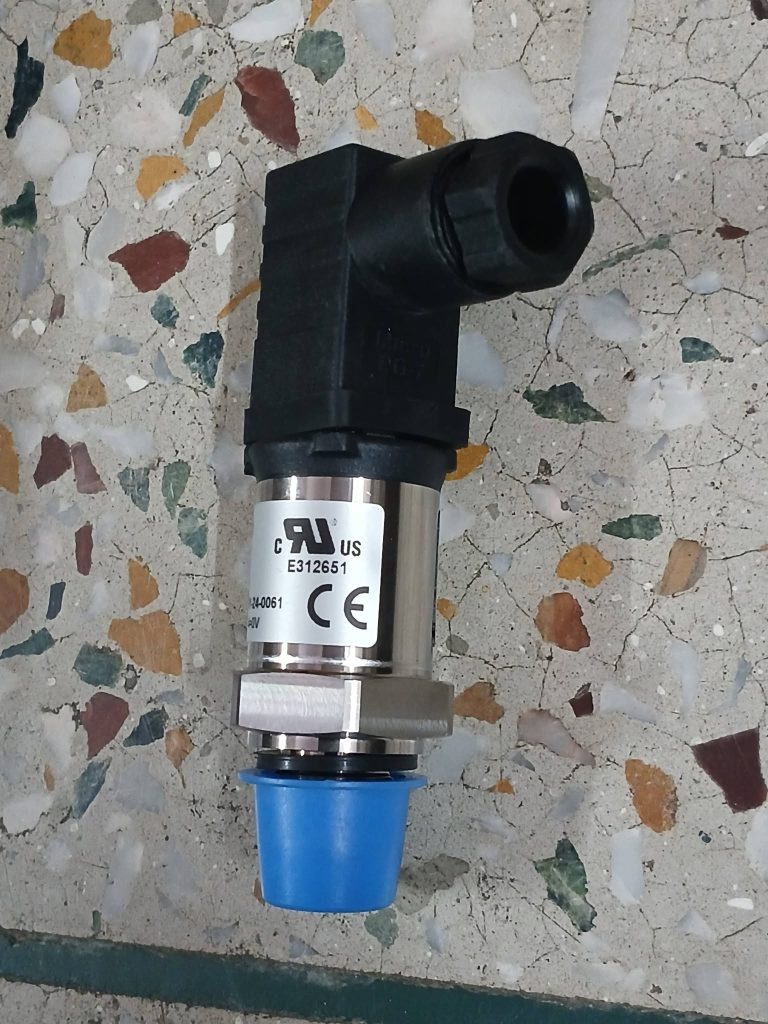
3100B0060G01B Setra Pressure Transmitter 0-60 Bar
Product Information
The Setra 3100B0060G01B Pressure Transmitter is Designed For Accurate And Reliable Pressure Measurement In Industrial Applications.It Is Suitable For Monitoring Pressure In Hydraulic Systems,Pneumatic Equipment,Industrial Machinery,Pumps And Compressors.Its Robust Construction Makes It Suitable For Demanding Industrial Environments
Technical Data
Product Features
Field of Application
Ambient Conditions
Material
Electrical Data
Installation Guide
Approval
Accessories
Product Information
The Setra 3100B0060G01B Pressure Transmitter is Designed For Accurate And Reliable Pressure Measurement In Industrial Applications.It Is Suitable For Monitoring Pressure In Hydraulic Systems,Pneumatic Equipment,Industrial Machinery,Pumps And Compressors.Its Robust Construction Makes It Suitable For Demanding Industrial Environments
Technical Data
- Brand:Setra
- Model:3100B0060G01B
- Product Type:Pressure Transmitter
- Pressure Range:0 to 60 Bar
- Pressure Type:Gauge
- Measurement:Industrial Pressure
- Output Signal:4–20 mA
- Accuracy:T±0.25% FS
- Supply:8–30 VDC
- Connection:G1/4,Male
- Electrical:DIN 43650 Form C
- Protection:IP67
- Temperature:−40°C to +125°C
Product Features
- Reliable Pressure Measurement
- Compact And Robust Industrial Design
- Designed For Continuous Pressure Monitoring
- Suitable For Industrial Automation Systems
- Stable Performance Under Specified Operating Conditions
- Easy Integration With Compatible Control Systems
- Designed For Demanding Industrial Applications
Field of Application
- Hydraulic Power Packs
- Pneumatic Systems
- Industrial Compressors
- Water Treatment Plants
- Pumping Systems
- HVAC Equipment
- Manufacturing Machinery
- Process Control Systems
- Industrial Automation
- Pressure Monitoring Equipment
Ambient Conditions
- Operating Temperature:Refer To The Manufacturer Datasheet
- Storage Temperature:Refer To The Manufacturer Datasheet
- Humidity:As Specified By The Manufacturer
- Environmental Protection:Confirm The IP Rating Before Installation
Material
- Housing:As Specified For The Model
- Wetted Parts:Verify The Manufacturer Material Specifications
- Sealing:Model-Specific
- Connector:As Supplied For The Selected Configuration
Electrical Data
- Supply Voltage:8–30 VDC
- Output Signal:4–20 mA
- Electrical Connection:DIN 43650 Form C
- Circuit:2-Wire
- Reverse Polarity Protection:Yes
- Electrical Protection:As Per Manufacturer Specifications
Installation Guide
- Check That The Pressure Range And Process Connection Are Suitable For The Application
- Install The Transmitter Using The Appropriate G1/4 Pressure Connection
- Ensure That The Process Connection is Properly Sealed
- Connect The 8–30 VDC Power Supply and 4–20 mA Output According To The Wiring Diagram
- Avoid Excessive Tightening During Installation
- Check For Leakage And Verify The Output Signal Before Commissioning
- Install The Transmitter In a Location Protected From Excessive Vibration And Mechanical Damage
Approval
- CE:Refer To The Applicable Model Certification
- UL:Verify The Exact Ordering Code
- RoHS:Compliant
- IP67:Enclosure Protection
- cURus:Confirm Against The Supplied Product Certificate
Accessories
- Compatible Electrical Mating Connector
- Pressure Connection Adapters
- Suitable Pressure Sealing Components
- Electrical Connection Cables
- Mounting Accessories,Where Required
Additional Information:
- Item Code: 3100B0060G01B Setra Pressure Transmitter 0-60 Bar
- WhatsApp No.9871034100,9868958924,9650264867,9716640145,8368866030,8368801023
- www.envirotechdelhi.com
- www.envirotechindia.co.in
- www.envirotechdelhi.in
- www.envirotechdelhi.net
- www.envirotechindia.info
- www.envirotechdelhi.info
- www.envirotechindia.net
- www.envirotechdelhi.co.in
 Sales Office :- Plot No. X/852,Chand Mohalla, Street No: 11 Gandhi Nagar Industrial Area
 9871034100